SETAEI / Cultural AI / Film + Game
SHAHNAMEH
Et tusen år gammelt epos, bygget om til en levende reise — fra research og karakterbygging til Higgsfield-film, Shahnameh-spillet i RealGram og konkurransen vi nå venter på.
01 — Ideen
Ikke et museum.
En ny inngang.
Shahnameh er enormt, vakkert og kulturelt viktig — men for mange også langt unna hverdagen. Prosjektet mitt handler om å gjøre verket tilgjengelig uten å redusere det til pynt.
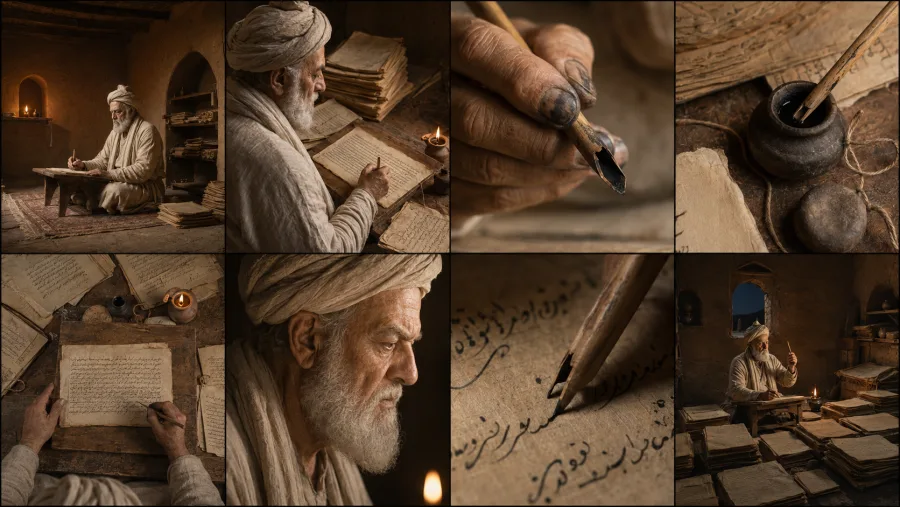
I stedet for å lage en side som forklarer alle konger, slektslinjer og historiske epoker, bygger vi innganger: en scene, en karakter, en konflikt, et spillvalg. Historien oppleves først. Researchen ligger under og sørger for at verden henger sammen.
02 — Opprinnelsen
Først et spill.
Så et økosystem.
Shahnameh startet som en Telegram-bot.
Den første ideen var enkel: gjøre Ferdowsis univers interaktivt gjennom et spill. Telegram var den raskeste måten å teste mekanikk, progresjon og brukerrespons på. Etter hvert ble spillet større enn boten. Belønning og progresjon skapte ZAR, tokenøkonomien skapte REAL, og behovet for én identitet og flere tjenester førte spillet inn i REALGRAM.
03 — Neste spørsmål
Hvordan ser Shahnameh ut?
Da spillet fikk verden, karakterer og historie, kom behovet for å visualisere alt.
Det begynte med bilder og karakterdesign. Så kom konsistens mellom ansikter, kostymer, steder og rekvisitter. Derfra var veien kort til motion, video og Higgsfield. Konkurransen ga et konkret mål: bygge «The Son He Did Not Know» som en selvstendig AI-kortfilm fra Shahnameh-universet.
Det kreative produksjonslaget ble dermed en egen gren under REALGRAM-økosystemet: produkter som kan stå alene, men som springer ut av samme teknologi, IP og produksjonsarbeid.
02 — Higgsfield / Filmen
The Son He Did Not Know
Rostam og Sohrab ble inngangen til å teste hvor langt et sammenhengende AI-filmprosjekt faktisk kunne tas.
I Higgsfield gikk prosjektet fra enkeltshots til regissert sekvens: faste karakterer, kamera, lys, bevegelse og klipp. Filmen kobler tragedien mellom Rostam og Sohrab til Ferdowsis egen far–sønn-fortelling.
03 — Motion
Fra stillbilder
til film.
Videoene på denne reisen ligger nå samlet i Shahnameh-prosjektet. Dermed kan siden vise produksjonen direkte, uten at opplevelsen brytes av eksterne embeds.
04 — Universet
Én verden.
Samme ansikter.
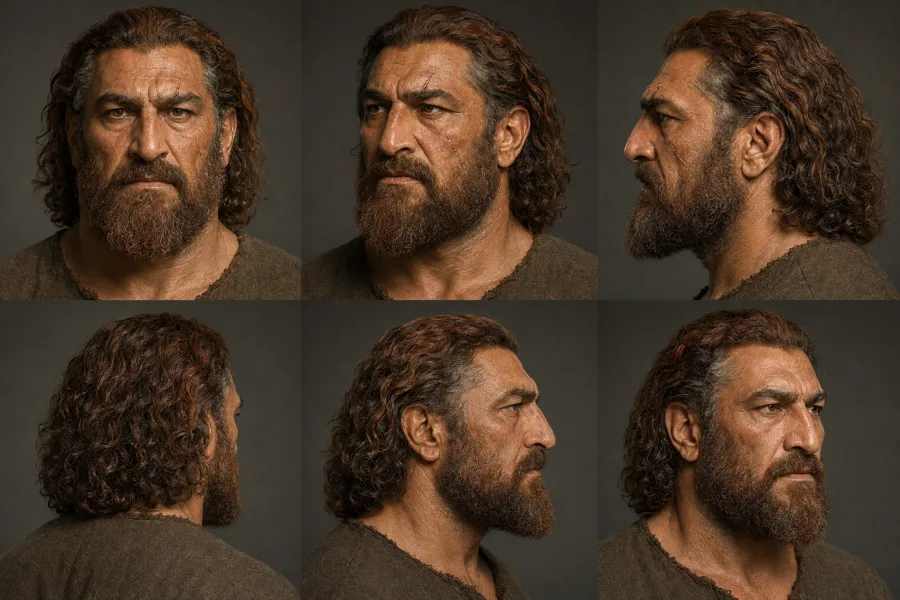
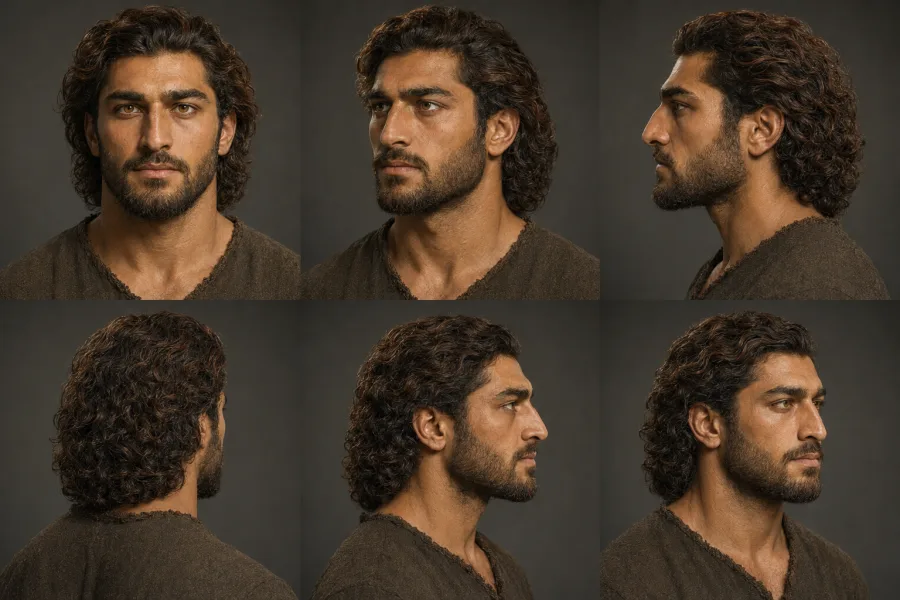
AI kan generere vakre enkeltbilder. Det vanskelige er å få én verden til å holde sammen gjennom dusinvis av scener.
Soul Cast
Ansikt, alder, fysikk og klær beskrives én gang og brukes konsekvent videre.
Continuity
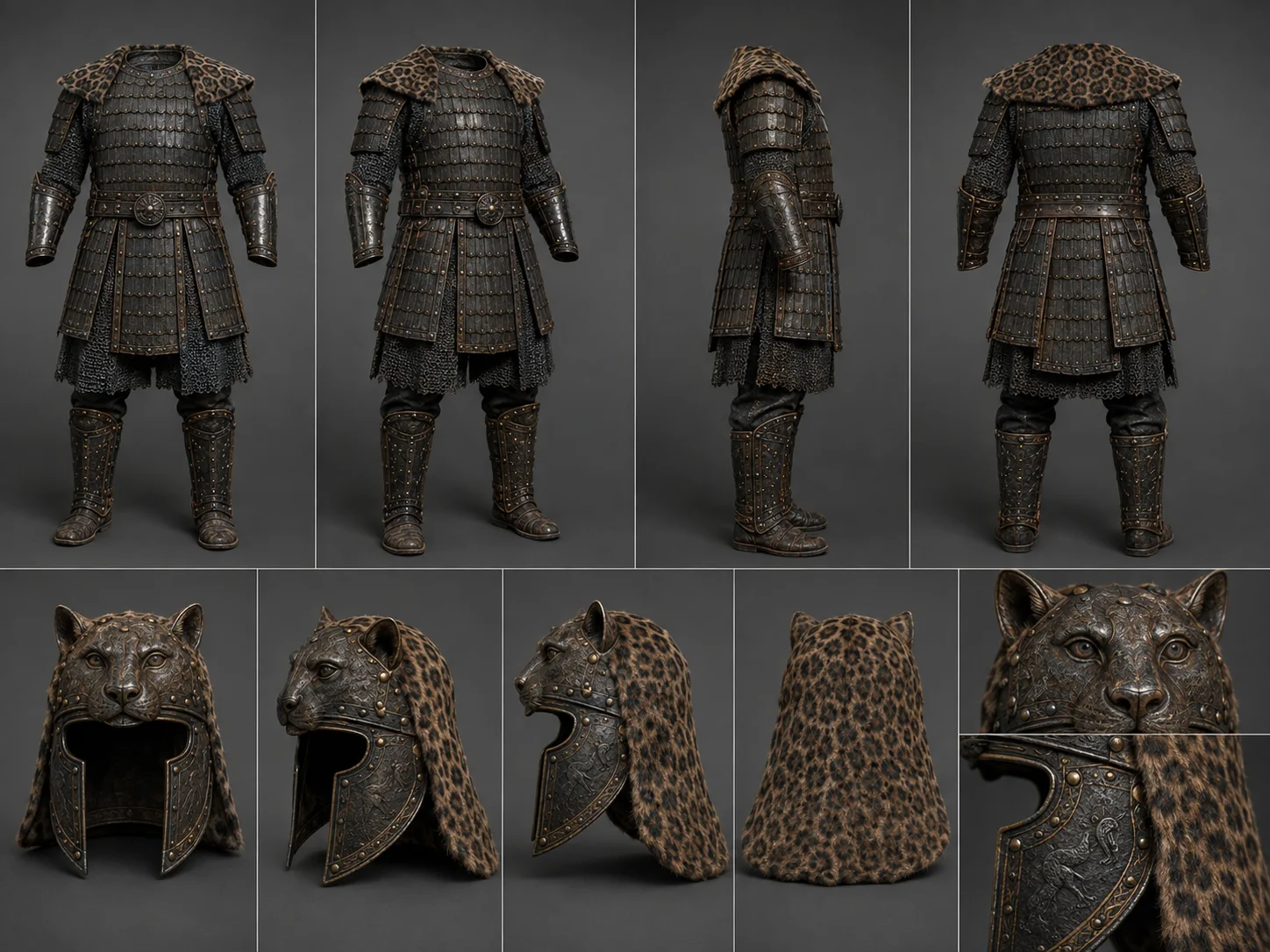
Samme hus, marked, rustning og rekvisitter utvikles gjennom tid — ikke tilfeldig fra bilde til bilde.
Source first
Historie, tekst og ikonografi setter rammene. Der kildene stopper, merkes tolkningen som tolkning.
05 — Fra tekst til scene
Research må bli produksjon.
Det interessante arbeidet skjer mellom kilden og bildet.
Tekst, historisk kontekst, geografi, klær, relasjoner og dokumenterte detaljer.
Karakterark, objekter, miljøer og visuelle regler fryses før scenene bygges.
AI brukes som kamera- og produksjonsverktøy: framing, lys, bevegelse og performance.
Scener trimmes, rytme og lyd bygges, og kontinuitetsfeil fjernes i sluttarbeidet.
06 — RealGram / Spillet
Filmen forteller én tragedie. RealGram lar deg gå videre inn i verden.
Shahnameh ble ikke stående som et filmeksperiment. Universet gikk videre inn i RealGram som spill, progresjon og en AI-forteller kalt Hakim.
Det er her prosjektet skifter fra “se” til “delta”: spilleren møter helter og fortellinger gjennom handling, belønning og fremdrift.
RealGram binder Shahnameh sammen med resten av produktøkosystemet. Spillvaluta, identitet, community og VPN lever i samme produktreise — mens selve Shahnameh-verdenen beholder sin egen visuelle identitet.
07 — Hva prosjektet viser
AI er ikke stilen.
Det er verktøykassen.
Det viktigste resultatet er ikke hvor mange bilder som ble generert. Det er at film, spill, research og produkt kan dele samme univers.
Cinematic AI
Karakterkonsistens, miljø, kamera, motion og ferdig klipp.
Game system
Historie oversatt til mekanikk, progresjon og en levende AI-guide.
World building
Et kulturelt univers som kan leve på tvers av film, web, app og kampanjer.
08 — Nå
Filmen er levert.
Nå venter vi.
The Son He Did Not Know er sendt inn til Higgsfield Global Film Festival. Neste punkt i reisen er konkurranseresultatet 5. oktober 2026.
Dette er derfor ikke et avsluttet portfolio-prosjekt. Siden følger prosjektet mens det beveger seg fra kulturarv → AI-produksjon → film → spill → offentlig konkurranse.
SETAEI / Selected project
Fra epos til digital verden.
Shahnameh er fortsatt under utvikling. Det er nettopp poenget: én historie kan bli film, spill, karakterdesign, AI-forskning og produkt — uten å miste sin opprinnelse.